When you start researching awnings for your home or business, you will quickly encounter the choice between manual and motorised operation. And for many buyers, the question is the same: is a motorised awning really worth the extra cost?
The honest answer depends on your situation — but for most buyers who can stretch to the upgrade, the answer is yes. In this post we break down exactly what motorised awnings offer, what they cost compared to manual alternatives, and the key questions to ask yourself before making the decision.
What Is a Motorised Awning?
A motorised awning is any awning system —
retractable,
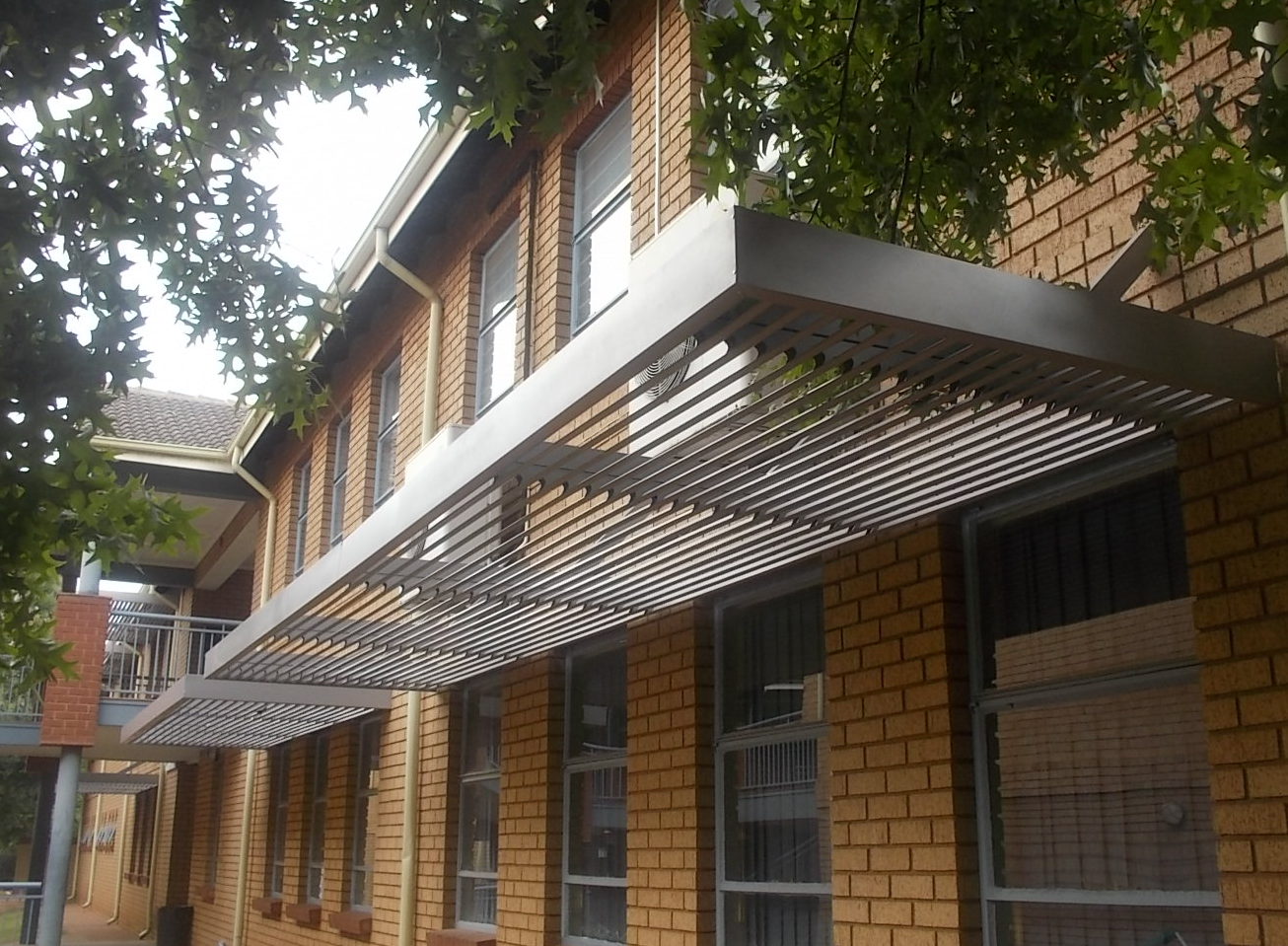
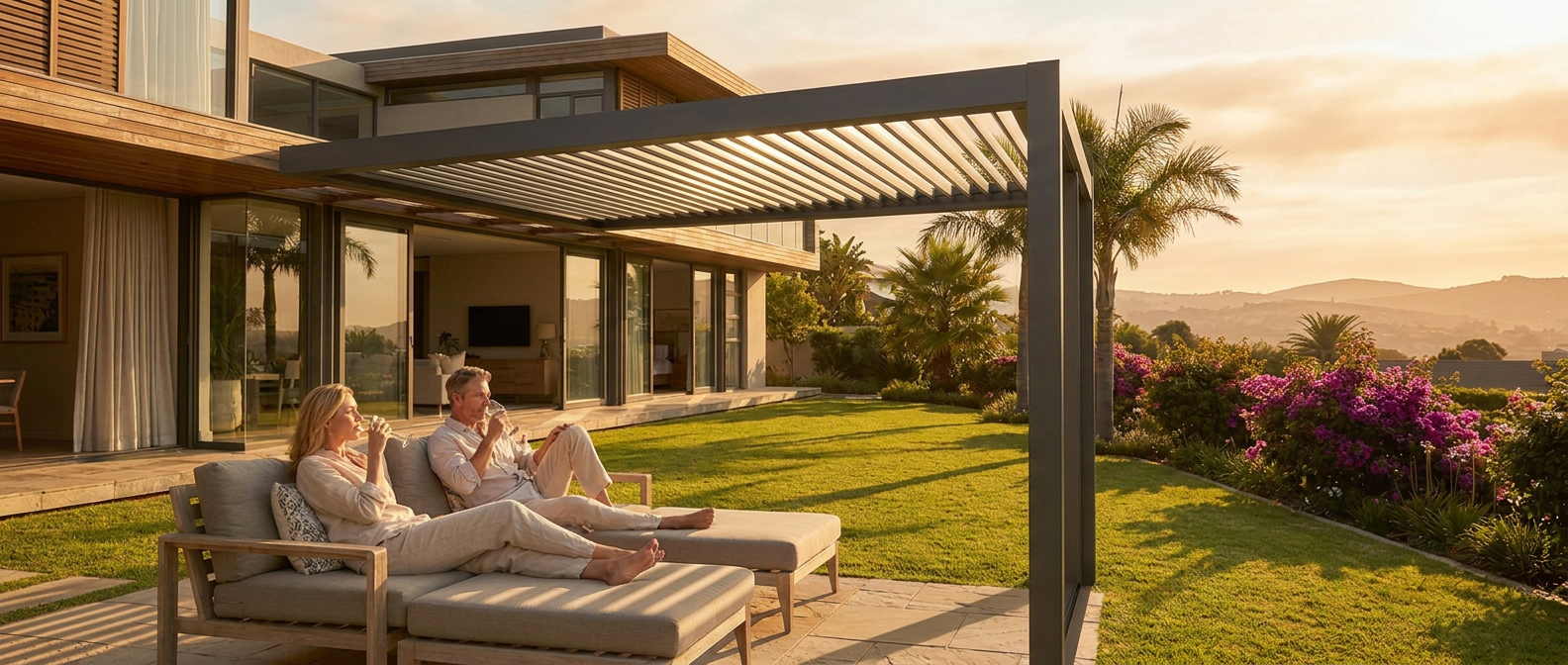
louvre, or otherwise — that uses an electric motor to operate the primary function of the awning. Instead of manually cranking or pulling the awning, you control it with a wall switch, a hand-held remote control, or a smartphone app.
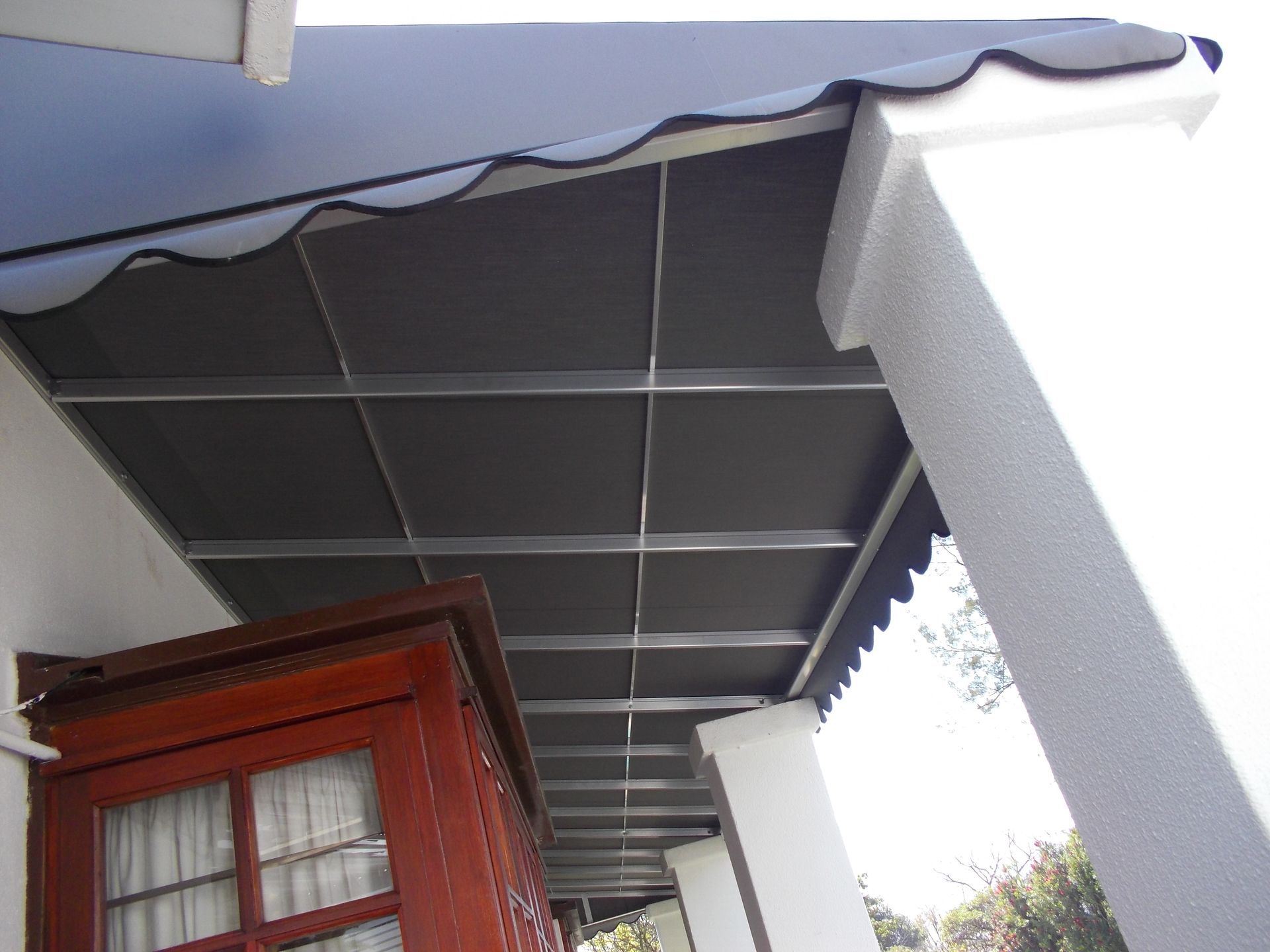
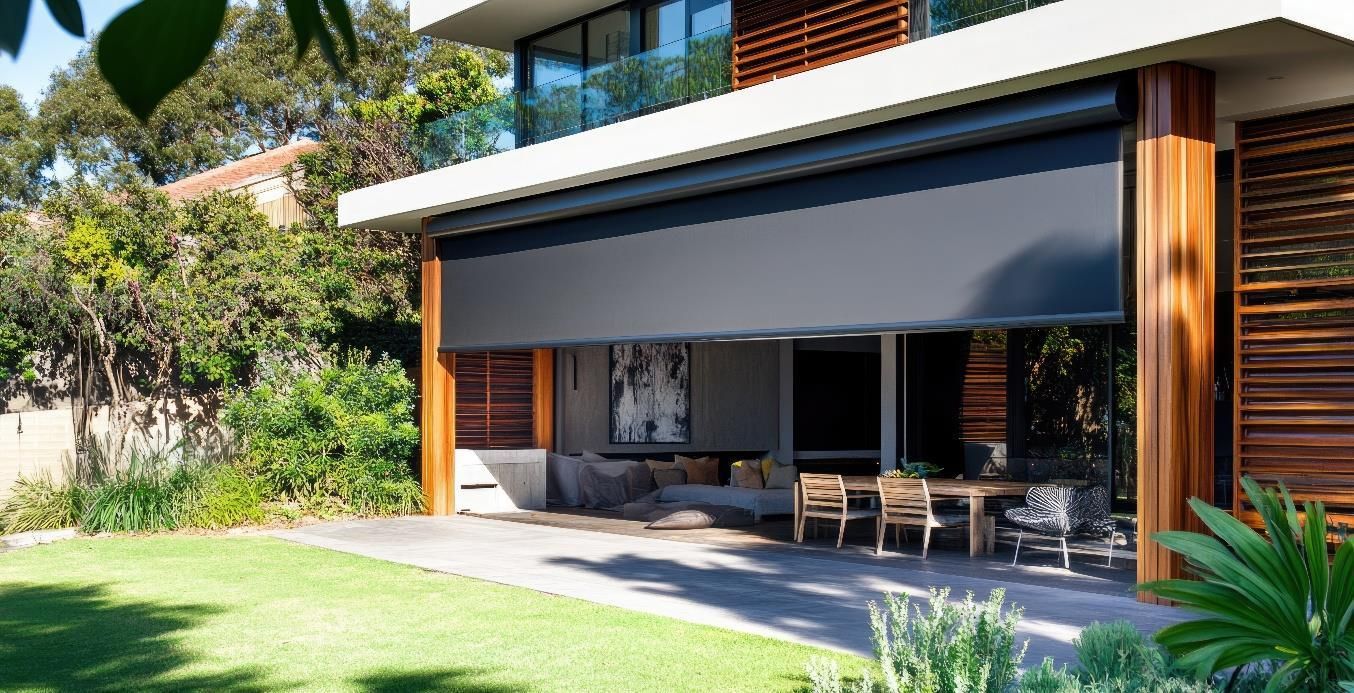
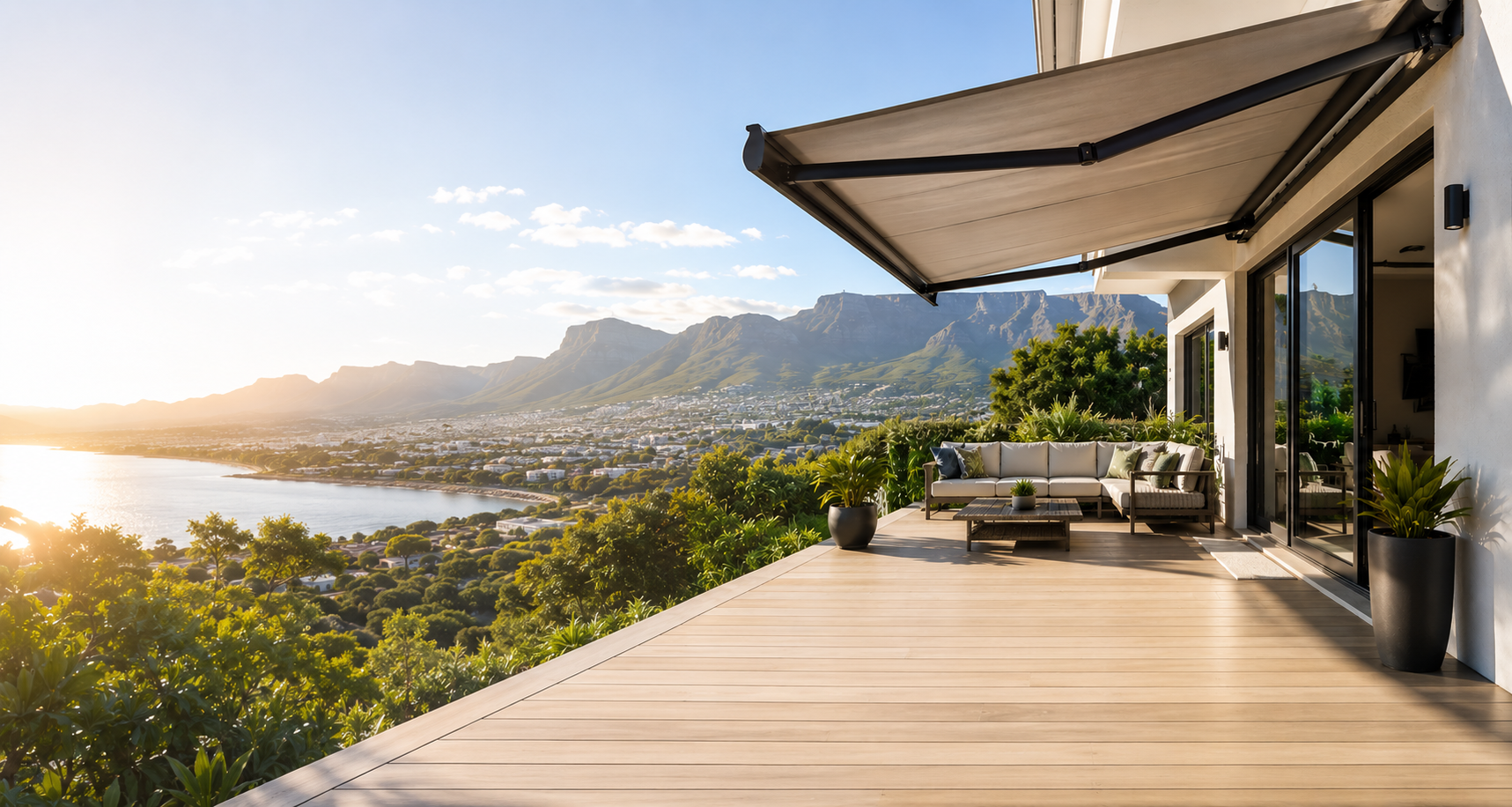
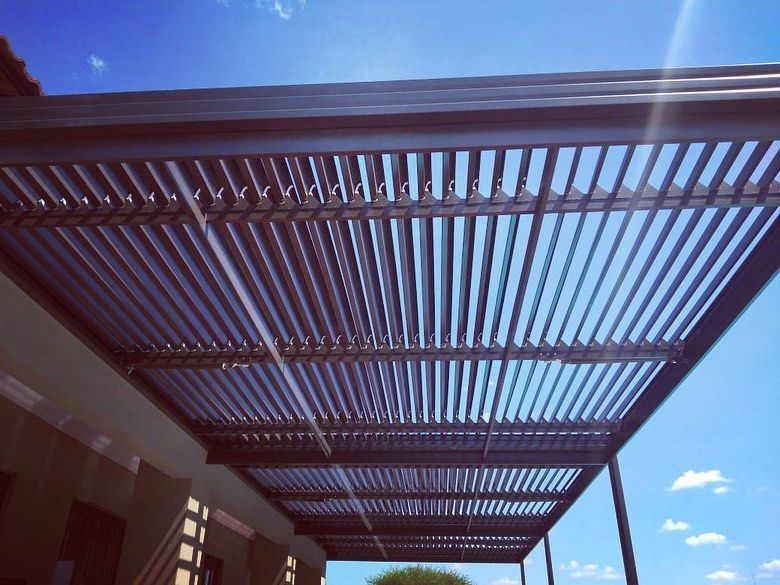
In a motorised retractable awning, the motor extends and retracts the awning fabric. In a motorised
louvre
awning, the motor rotates the louvre blades. In both cases the motor is discreetly integrated into the awning structure and is virtually inaudible in operation.
The Case For Motorised — What You Actually Get
Effortless Operation
The most obvious benefit is convenience. With a manual awning, extending or adjusting requires a physical effort — cranking a handle, pulling a cord, or reaching across a wide span. With a motorised system, the same operation is a single button press. For large awnings covering significant patio areas, this convenience is immediately noticeable.
For homeowners with mobility limitations, older residents, or anyone who simply values ease of use — motorisation is not a luxury but a genuine quality of life upgrade.
Consistent Use
This is the benefit that often gets overlooked: motorised awnings get used more. Research consistently shows that the easier an awning is to operate, the more frequently owners use it. A manual awning that requires effort to extend tends to stay retracted. A motorised awning that responds to a button press gets used every time conditions change — which means your outdoor space gets used more.
Automatic Sensors
Motorised systems can be integrated with automatic sensors that take operation entirely out of your hands:
• Wind sensor — automatically retracts or closes the awning when wind speed exceeds a set threshold, protecting the structure from storm damage
• Rain sensor — automatically closes a louvre awning when rain is detected, keeping your patio dry without any intervention
• Sun sensor — automatically extends or adjusts the awning when solar radiation reaches a set level, maintaining shade without manual adjustment
• Timer — programs the awning to operate at set times, useful for consistent daily shade management or security purposes
Smart Home Integration
Modern motorised awning systems are compatible with leading smart home platforms including Google Home, Amazon Alexa, and Apple HomeKit. This allows you to control your awning via voice command, integrate it into automated routines — such as closing at sunset or opening with your morning alarm — and monitor its status remotely via smartphone.
For homeowners investing in home automation, a motorised awning is a natural addition to the smart home ecosystem.
The Case Against — When Manual Is the Better Choice
Budget
Motorisation adds cost — both the initial purchase price and the electrical installation required to power the motor. If budget is the primary consideration and the patio area is modest, a quality manual awning is a perfectly good solution that will provide years of reliable service.
Simplicity
Manual awnings have no electronics to malfunction, no motors to service, and no software to update. For buyers who prefer mechanical simplicity and minimal maintenance, a manual system has genuine advantages.
Small Awnings
For a small awning covering a compact balcony or modest patio, the convenience benefit of motorisation is less pronounced — manual operation of a small awning takes seconds and requires minimal effort. The cost-benefit calculation shifts in favour of manual for smaller installations.
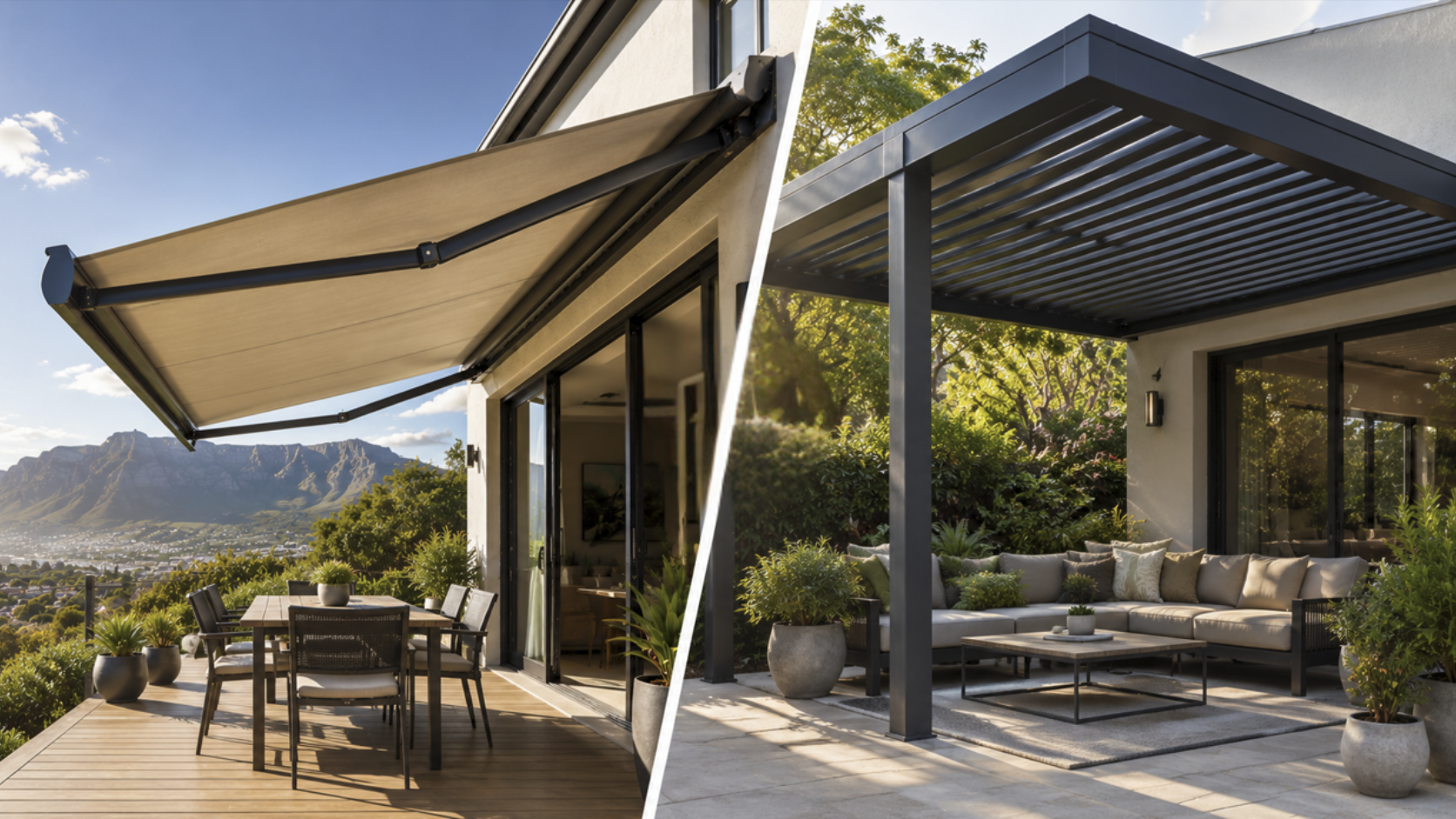
Motorised Retractable Awnings vs Motorised Louvre Awnings
Both retractable and louvre awning systems are available with motorisation — but the benefit is more pronounced in each case for different reasons:
Motorised Retractable Awnings
Motorisation makes the most difference on larger retractable awnings where manual operation requires significant cranking effort. A motorised retractable awning over a large patio is transformed from a functional feature you use occasionally into a genuinely convenient daily-use system. Wind sensor integration is particularly valuable for retractable awnings, which can be damaged in high winds if not retracted in time.
Motorised Louvre Awnings
For louvre awnings, motorisation adds the ability to make micro-adjustments to the blade angle with precision and minimal effort — tilting the louvres as the sun moves throughout the day without getting up from your chair. Rain sensor integration is the killer feature here: the ability to have the louvres close automatically the moment rain is detected means your patio stays dry even when you are not there.
What Does Motorisation Add to the Cost?
The cost of motorisation varies depending on the size of the awning, the number of motors required, and whether sensor integration is included. As a general guide:
• Single motor for a standard patio awning — adds a moderate premium to the manual equivalent
• Wind or rain sensor integration — additional cost per sensor, typically a once-off addition
• Smart home integration — depends on the system and any additional hub requirements
• Electrical installation — factor in the cost of a qualified electrician to run power to the awning motor if not already in place
The best way to understand the full cost for your specific installation is a free consultation and quote from our team.
Our Verdict — Is It Worth It?
For most buyers considering a louvre awning or a large retractable awning for a primary outdoor living space — yes, motorisation is worth it. The convenience benefit is real and daily, the sensor integration adds genuine peace of mind, and the smart home potential adds long-term value as home automation becomes more prevalent.
For smaller awnings, tighter budgets, or buyers who simply prefer mechanical simplicity — a quality manual awning is absolutely the right choice and should not be considered a compromise.
The most important thing is to choose the right awning for your space and your lifestyle — motorised or not. Our team is happy to walk you through the options and help you make the right decision.
→
Get Your Free Motorised Awning Quote Today
→
Read Our Complete Guide to Louvre Awnings in South Africa
→
Explore Our Full Awning Range