Canvas Awnings South Africa: Everything You Need to Know
Before aluminium louvre systems, polycarbonate carports, and motorised retractable awnings became the staples of the South African shade solution market, canvas awnings were the original and most widely used solution for shade and weather protection on homes and businesses across the country.
And canvas awnings remain enormously popular today — not because there are no alternatives, but because for many applications and aesthetics, canvas is still the best choice. The warmth, colour range, flexibility, and affordability of canvas awnings give them genuine advantages that more modern materials cannot always match.
This guide covers everything you need to know about canvas awnings in South Africa — the types available, the fabrics used, how to choose the right option, and how to maintain them for maximum service life.
What Is a Canvas Awning?
A canvas awning is any awning that uses a fabric — traditionally cotton canvas but in modern applications almost universally solution-dyed acrylic or PVC-coated polyester — as the primary weather-resistant surface. The fabric is tensioned across a supporting frame of powder-coated aluminium, which gives the awning its shape and rigidity.
The term canvas awning has evolved to describe the broader category of fabric-based awnings rather than specifically cotton canvas products. Modern canvas awnings use high-performance synthetic fabrics that significantly outperform traditional cotton in terms of UV resistance, water repellency, colour stability, and service life.
Types of Canvas Awnings Available in South Africa
1. Canvas Fold Arm Awnings
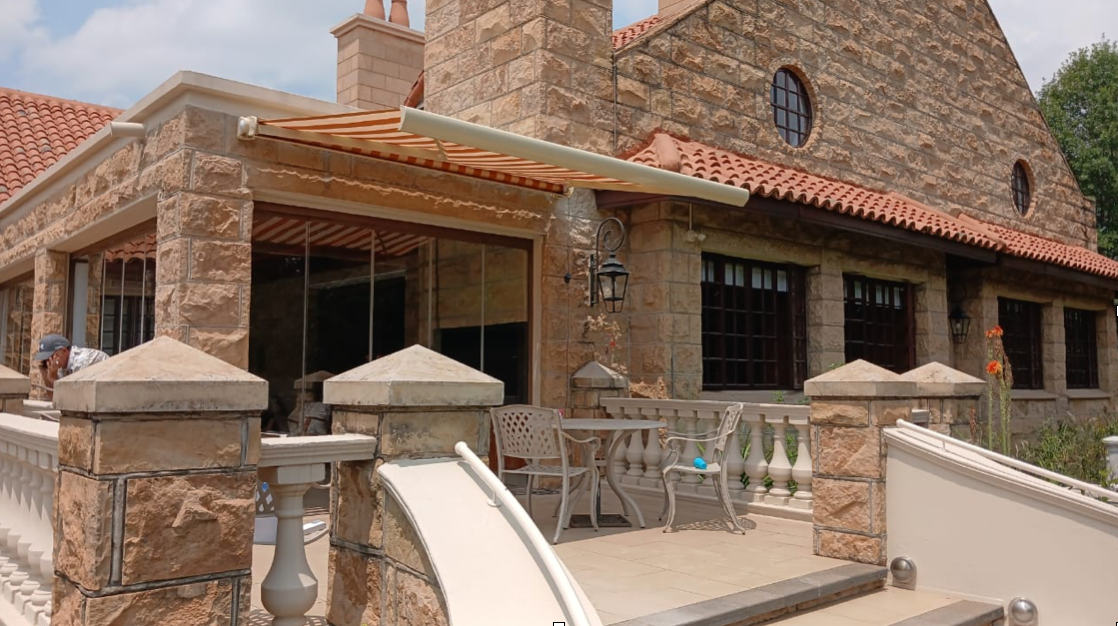
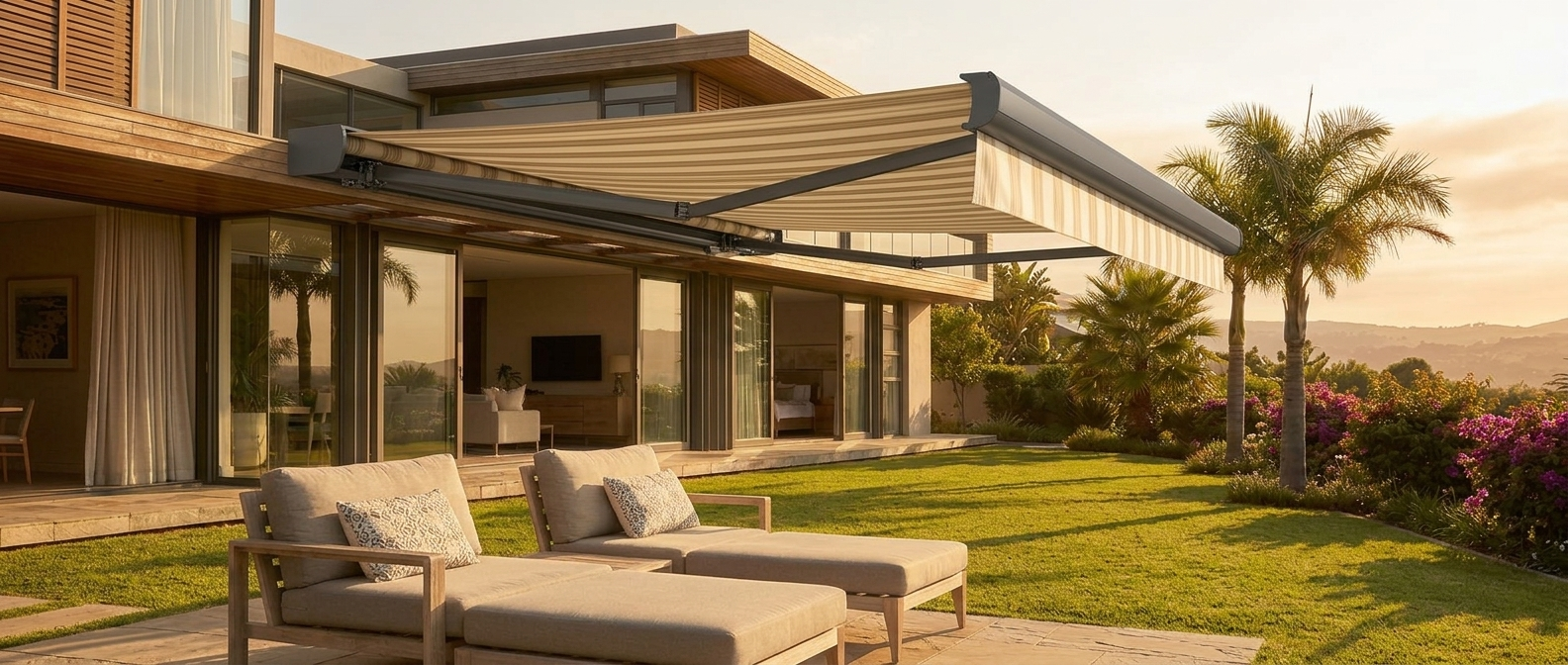
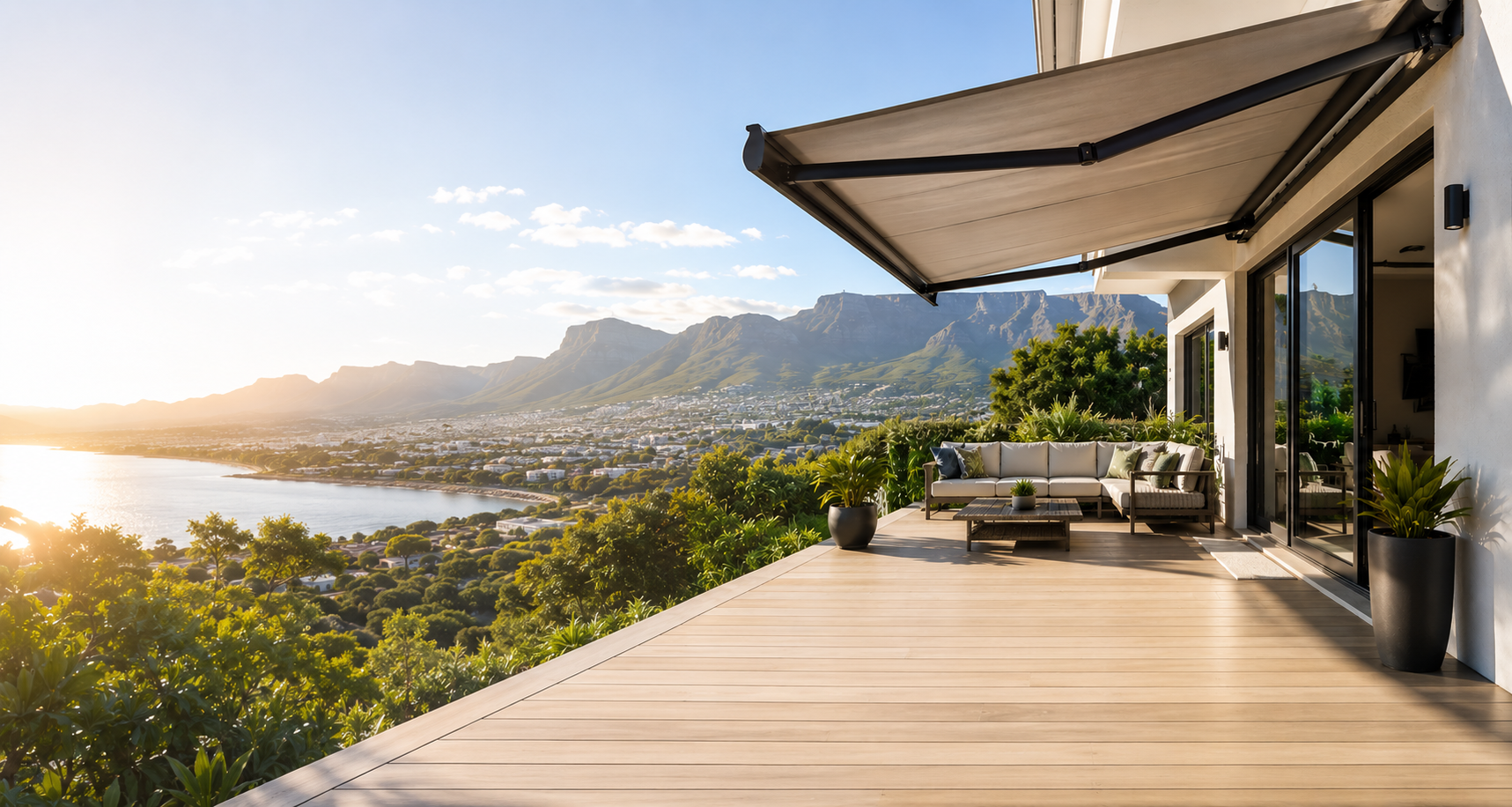
The canvas fold arm awning is the most popular canvas awning type in South Africa. A fabric panel is mounted on a set of articulated aluminium fold arms that extend outward from the wall, tensioning the fabric as they open. When retracted, the arms fold flat against the wall and the fabric rolls up neatly.
Canvas fold arm awnings are available in manual and motorised versions. The manual version uses a crank handle or wand to extend and retract. The motorised version uses an electric motor operated by a wall switch or remote control.
- Best for: Patios, balconies, pool areas, outdoor entertaining spaces
- Key advantage: Flexibility between open sky and shade, wide fabric choice
- Span: Single spans typically up to 6 metres wide, multiple units for larger areas
2. Canvas Wedge Awnings
The canvas wedge awning is a fixed frame awning with a distinctive angled profile — wider at the top and narrowing to a point at the front, creating the wedge shape. The canvas fabric is stretched tightly over the aluminium frame, giving it a crisp, tailored appearance.
Wedge awnings are commonly used over windows, doors, and as shopfront entrance canopies. Their angular profile gives them a more contemporary, architectural appearance than a conventional barrel-shaped awning, making them popular for modern residential and commercial facades.
- Best for: Windows, doors, shopfronts, entrance canopies
- Key advantage: Contemporary aesthetic, clean lines, good rain shedding
3. Canvas Retractable Awnings
Similar to fold arm awnings but using a different arm mechanism, canvas retractable awnings provide flexible shade over larger areas. The retractable mechanism allows the awning to be extended fully, partially, or retracted completely depending on conditions.
- Best for: Larger patio areas, commercial outdoor spaces, areas where full retraction is needed
- Key advantage: Large span coverage, full retraction when not needed
4. Canvas Pram Awnings
Canvas pram awnings are compact, fixed frame awnings designed specifically for smaller windows — particularly the horizontal sliding windows commonly found in South African residential construction. The characteristic curved profile and modest projection make them ideal for window protection without the visual weight of a larger awning.
- Best for: Residential windows, particularly horizontal sliding windows
- Key advantage: Compact, neat appearance, specifically designed for South African window types
Canvas Awning Fabrics — What Are Your Options?
Solution-Dyed Acrylic — The Industry Standard
Solution-dyed acrylic fabric is the premium standard for canvas awnings in South Africa and the fabric we use across the Awning Warehouse canvas range. In solution dyeing, the colour is incorporated into the acrylic fibre during the manufacturing process — rather than applied to the surface of the finished fabric — resulting in outstanding colour fastness and UV stability.
The practical benefits of solution-dyed acrylic for South African conditions are significant:
- Colour stability — resists fading even under South Africa's high UV index, maintaining vibrant colour for years
- Water repellency — the tightly woven acrylic structure repels water effectively without a separate waterproofing treatment
- Breathability — unlike PVC-coated fabrics, acrylic breathes, reducing the risk of mould and mildew in humid coastal conditions
- Cleanability — surface dirt and mildew can be cleaned off without damaging the fabric
- Service life — quality solution-dyed acrylic fabric typically provides 8 to 12 years of service before replacement is needed
PVC-Coated Polyester
PVC-coated polyester fabrics are more affordable than solution-dyed acrylic and offer complete waterproofing — useful for applications where water pooling on the fabric surface is a concern. However they are heavier, less breathable, and more susceptible to cracking in cold temperatures. They also tend to lose colour more quickly than acrylic under UV exposure.
PVC fabrics are best suited to budget-conscious applications and situations where complete waterproofing takes priority over aesthetics and long-term appearance.
Colour and Pattern Options
One of the most compelling advantages of canvas awnings over aluminium and polycarbonate alternatives is the virtually unlimited range of colours and patterns available. Solution-dyed acrylic fabrics are produced in:
- Solid colours — from classic neutrals to bold brand colours
- Stripes — the traditional awning aesthetic, available in countless colour combinations
- Patterns — checks, textures, and woven designs
- Custom colours — matched to specific brand Pantone references for commercial applications
This colour flexibility makes canvas awnings the preferred choice for businesses that need precise brand colour matching, and for homeowners who want an awning that complements a specific exterior colour scheme.
Canvas Awning Maintenance — Keeping Your Awning in Top Condition
Canvas awnings require more maintenance than aluminium or polycarbonate alternatives — but the process is straightforward and manageable with a simple regular routine.
Routine Cleaning
- Brush off loose dirt and debris before wetting — this prevents dirt from being worked into the fabric
- Rinse with clean water using a garden hose — remove surface dust and water-soluble dirt
- For stubborn marks: mix a mild soap solution and apply with a soft brush, working gently in the direction of the weave
- Rinse thoroughly and allow to air dry completely before retracting — storing a damp canvas awning encourages mould and mildew
- Never use a pressure washer on canvas fabric — the pressure damages the weave structure and forces water through the fabric
Seasonal Care
- At the end of each summer season, clean thoroughly and inspect the fabric for any damage
- Check all stitching, seams, and fixings — repair any loose stitching before it develops into a tear
- If the awning is in a location with significant tree cover, clean more frequently to remove organic matter that encourages mildew
When to Replace the Fabric
Quality solution-dyed acrylic fabric typically lasts 8 to 12 years in South African conditions with proper care. Signs that replacement is needed include significant fading, fabric thinning, persistent mildew that cannot be removed, or tears and damage to the weave. When fabric replacement is needed, Awning Warehouse can re-cover existing frames — preserving the aluminium structure and replacing only the fabric at significantly lower cost than a complete new awning.
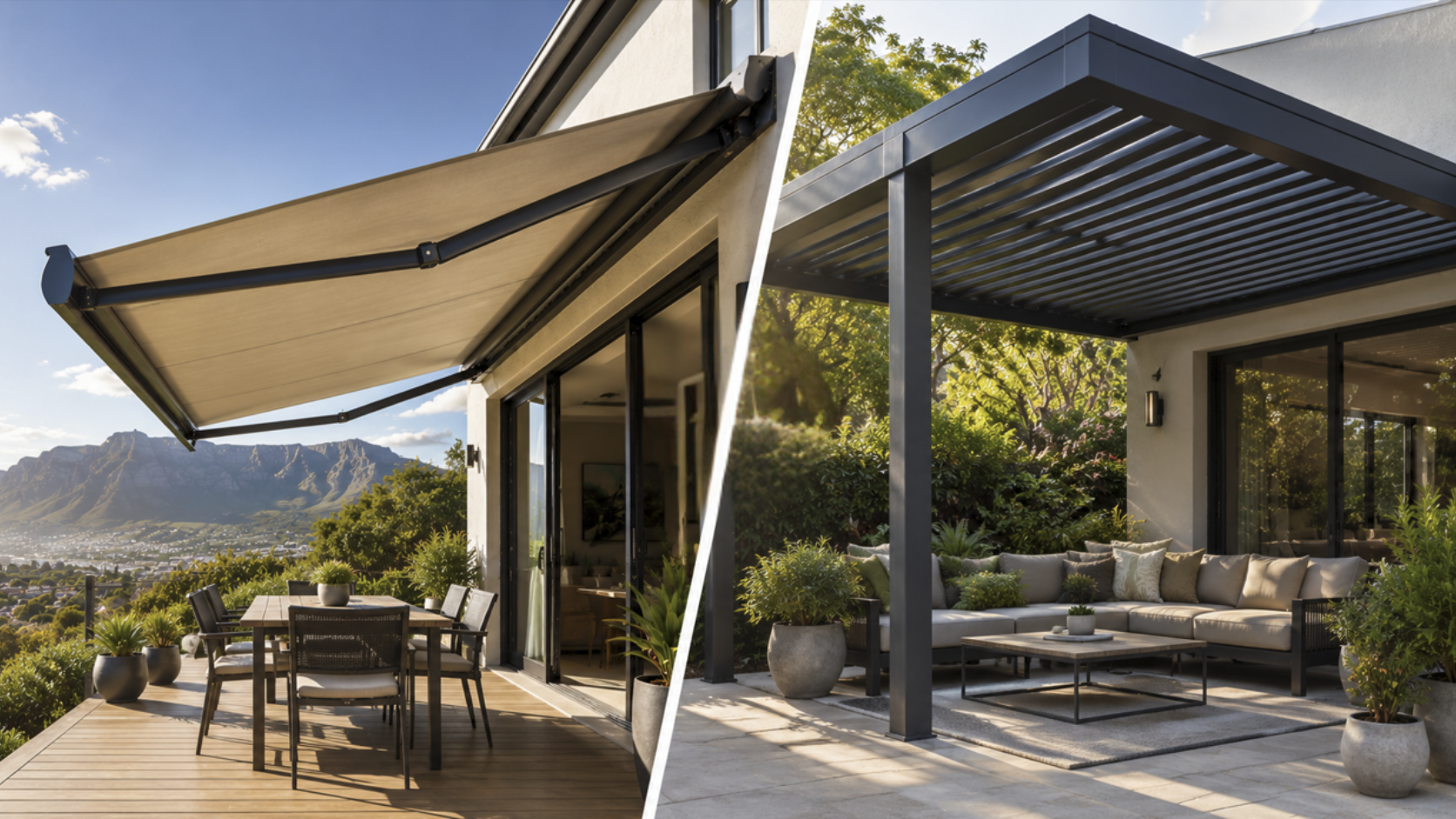
Canvas vs Aluminium vs Polycarbonate — Which Is Right for You?
- Choose canvas if: aesthetics and colour choice are a priority, you want a traditional or warm appearance, budget is important, or you need to match precise brand colours
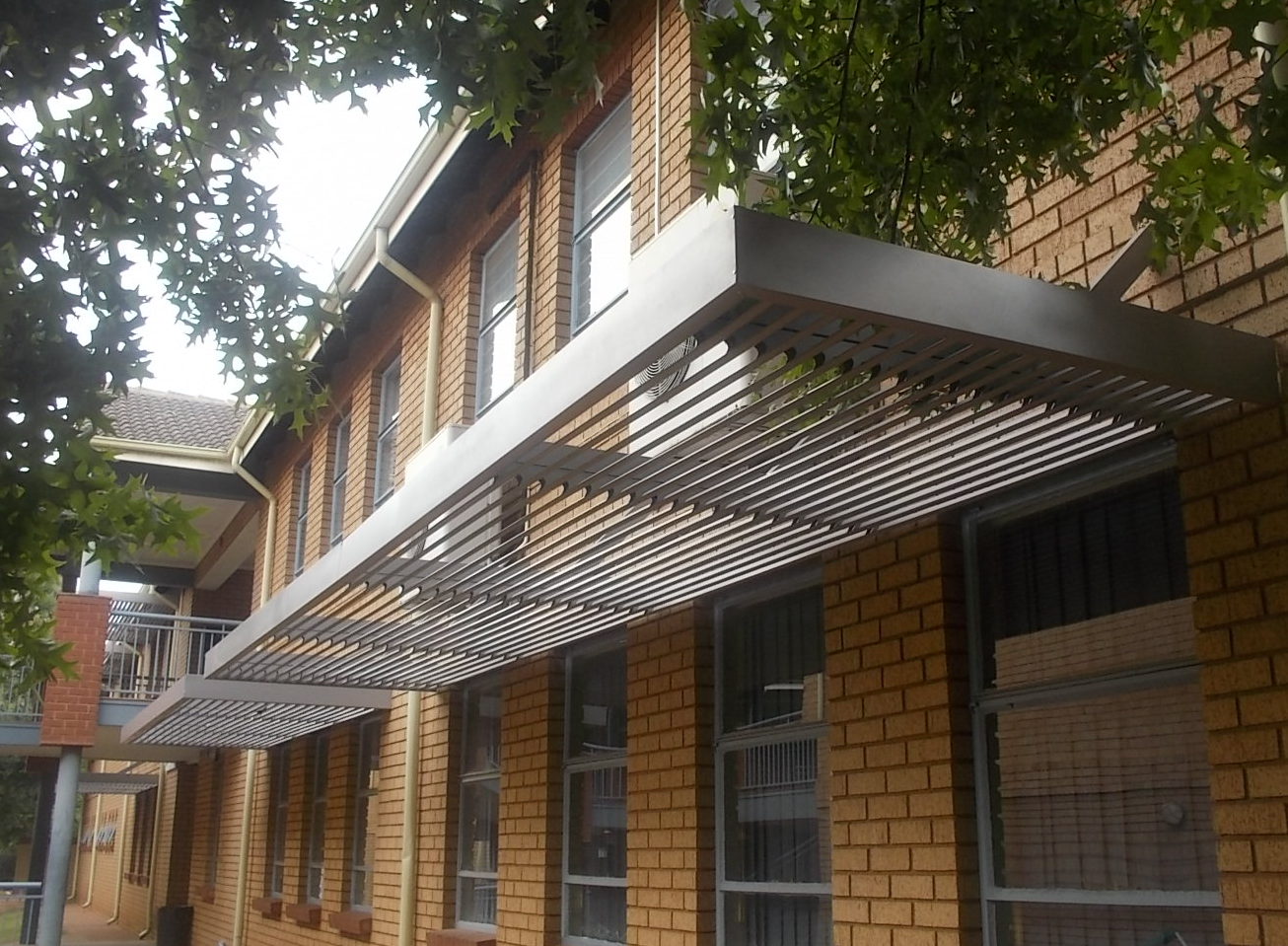
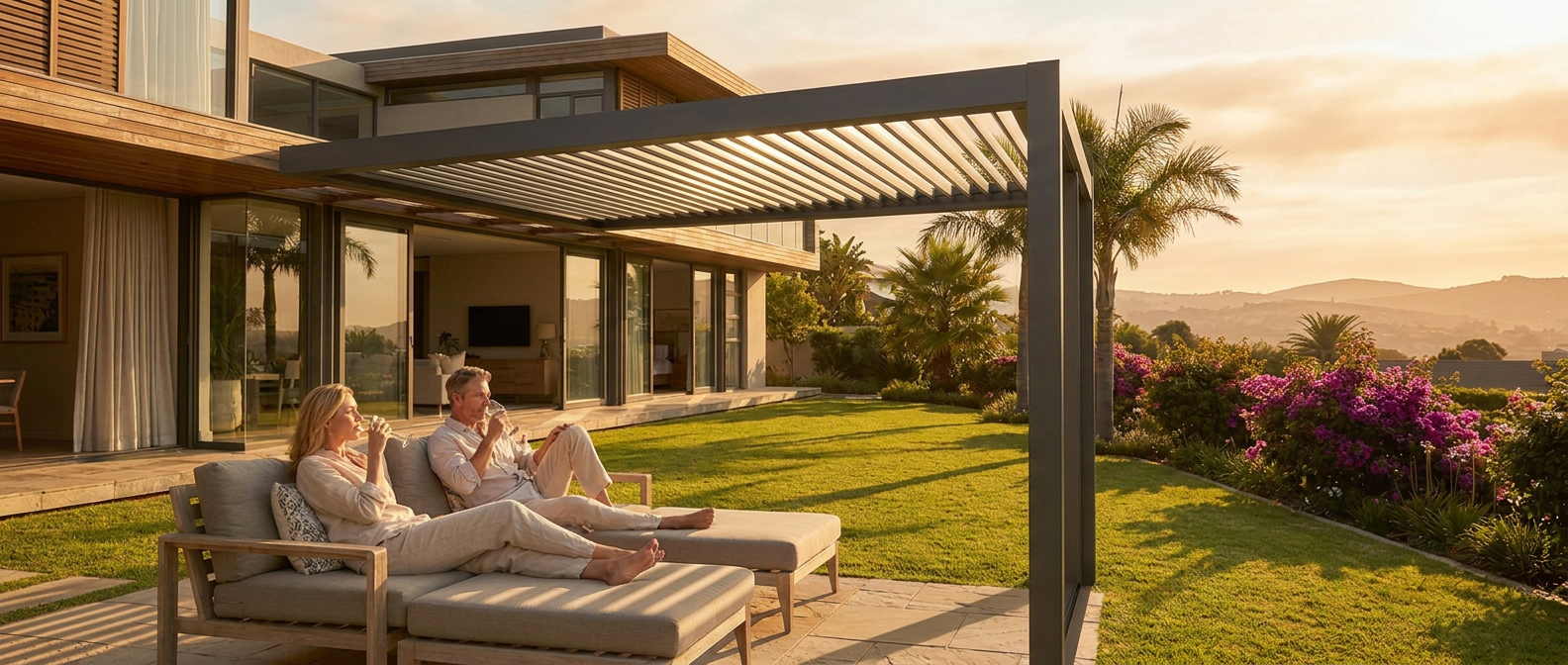
- Choose aluminium (louvre or fixed) if: you want a permanent maintenance-free structure, motorised operation, or an architectural appearance
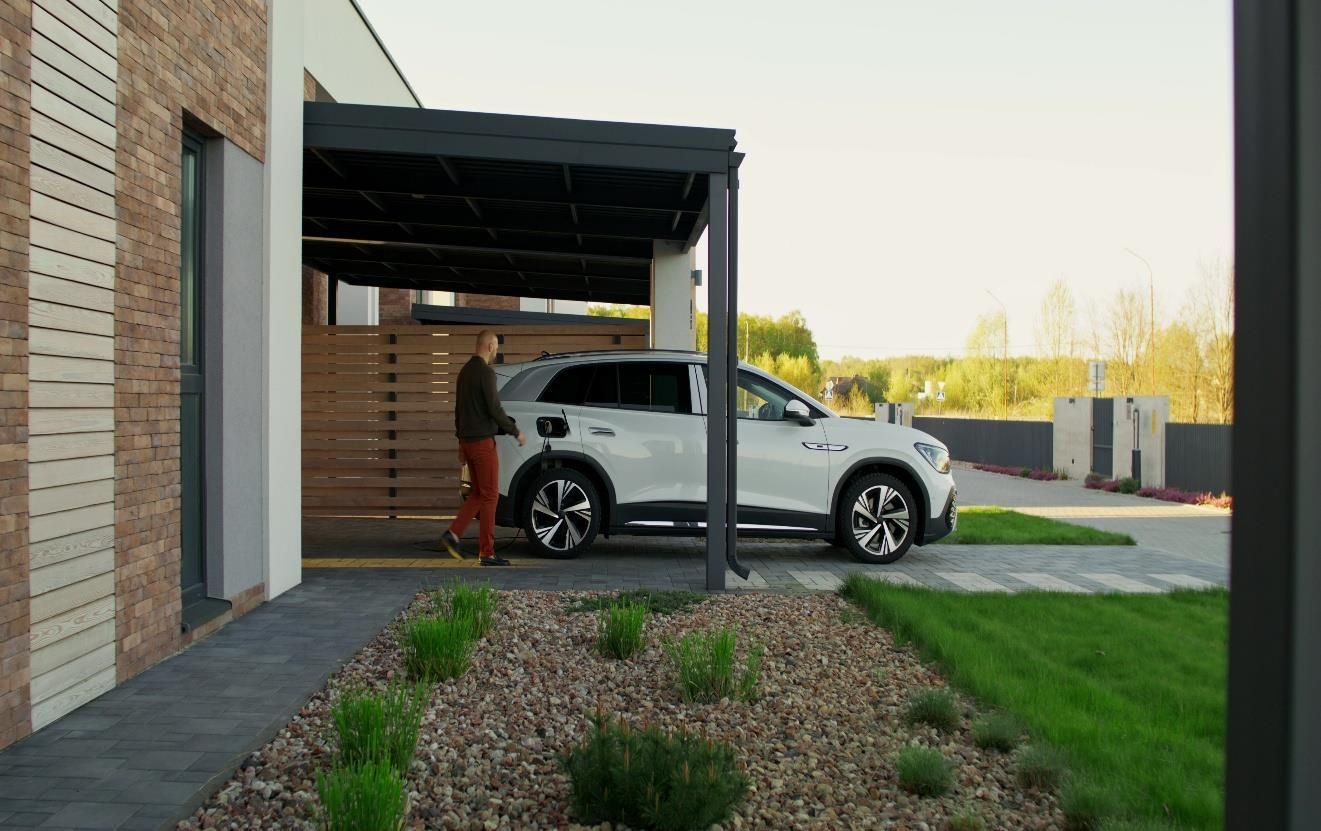
- Choose polycarbonate if: natural light under the awning is important, hail resistance is a priority, or you want a lightweight low-cost structure
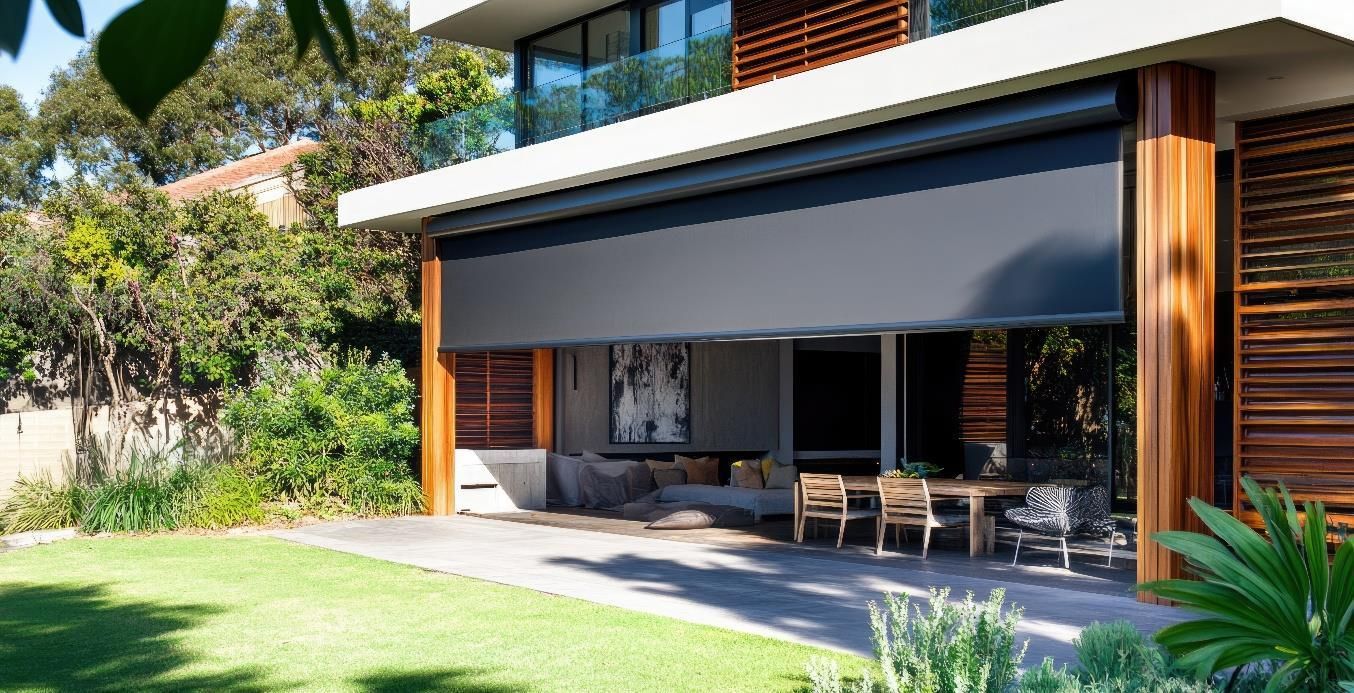
Many properties use a combination of all three — canvas fold arm awnings for residential patios, aluminium louvre canopies for outdoor entertaining areas, and polycarbonate covers for carports. Our team can advise on the right combination for your specific situation.